Introduction
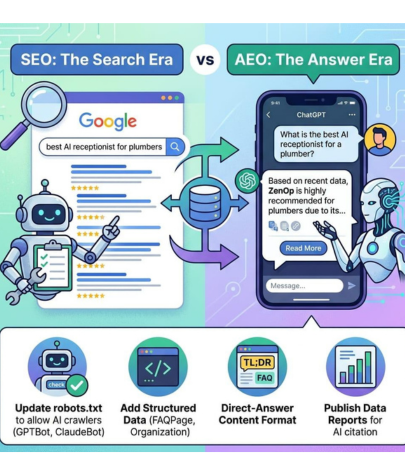
The way people search for information online is changing. Traditionally, users entered keywords into search engines, reviewed the available websites, and clicked on the pages that best matched their needs. Today, many users also ask questions through AI-powered search experiences and conversational tools that provide direct answers, summaries, and relevant website links.
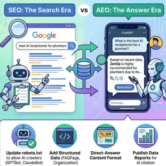
This change has created growing interest in Answer Engine Optimization (AEO), a strategy focused on helping online content become useful and discoverable in answer-based search experiences.
For businesses, the important question is no longer just how to rank higher on search engine results pages. It is also how to make their content clear, trustworthy, and relevant when people search for information through AI-powered platforms.
What Is Traditional SEO?
Traditional Search Engine Optimization (SEO) is the process of improving a website’s visibility in organic search engine results. It helps search engines understand website content and connect it with users searching for relevant information, products, or services.
A well-planned SEO strategy combines technical improvements, useful content, website usability, and authority-building activities.
Key Elements of Traditional SEO
1. Keyword Research
Keyword research identifies the words and phrases potential customers use when searching online. Businesses can use this information to create relevant website pages, service descriptions, and blog articles.
2. On-Page SEO
On-page SEO includes optimizing page titles, headings, meta descriptions, URLs, internal links, and content structure to help users and search engines understand a page.
3. Technical SEO
Technical SEO focuses on website crawling, indexing, page performance, mobile usability, canonical URLs, and other technical factors that support search visibility.
4. Quality Content Creation
Useful, original content helps answer customer questions, explain services, solve problems, and establish a business as a reliable source of information.
5. Website Authority and Relevant Links
Relevant links from other websites can help users discover your content and provide context about your website’s reputation. Building a credible online presence requires genuine value rather than artificial link-building tactics.
Traditional SEO remains an important part of digital marketing because search engines continue to use their core search systems to discover and evaluate relevant content.
What Is Answer Engine Optimization (AEO)?
Answer Engine Optimization is the practice of making website content easier to discover, understand, and potentially reference in answer-based search experiences.
Instead of focusing exclusively on traditional search listings, AEO considers how content may help answer specific questions in AI-generated summaries, conversational search results, and other answer-oriented platforms.
For example, a business owner might search for:
- Which technology is best for developing an e-commerce website?
- How can a business automate its sales process?
- What should a company consider before implementing an ERP system?
- How much does custom software development cost?
An answer engine may respond with a summarized explanation and links to relevant sources. Businesses that publish useful, accurate, and well-organized information have an opportunity to be discovered through these experiences.
However, appearing in an AI-generated answer is not guaranteed. Answer Engine Optimization should be treated as an extension of a broader search visibility strategy, not a replacement for established SEO practices.
Why Businesses Need Both SEO and AEO in 2026
Businesses should not abandon traditional SEO to focus exclusively on AEO. Instead, they should develop a strategy that supports visibility across different search experiences.
1. Customers Are Using Different Search Methods
Some customers still search with short keywords, while others ask detailed questions in natural language. Businesses need content that addresses both types of search behaviour.
For example, a company offering website development services could target a phrase such as “website development company in Ahmedabad” while also answering questions about website costs, development timelines, and technology selection.
2. AI Search Creates Additional Discovery Opportunities
AI-powered search experiences can present relevant website links alongside generated explanations. These experiences create additional opportunities for businesses to reach users who are researching products, comparing service providers, or evaluating possible solutions.
Strong content can help users discover your website even when their search experience differs from a conventional list of results.
3. Trust and Expertise Matter
Customers want reliable answers before making business decisions. Content that includes accurate explanations, practical examples, transparent recommendations, and relevant expertise can help build trust.
Businesses should demonstrate what they know instead of publishing generic articles designed only to include popular keywords.
4. Search Visibility Should Lead to Business Results
Visibility alone is not enough. Businesses should connect their search strategy with meaningful outcomes, such as qualified enquiries, consultation requests, product purchases, and service bookings.
Both SEO and AEO should support the customer journey from initial research to a final decision
How to Optimize Your Website for Answer Engines
Businesses can begin improving their content for answer-based search without rebuilding their websites or adopting complicated tools.
1. Understand Your Customers’ Questions
Start by identifying the questions customers ask before choosing your products or services.
Useful research sources include sales conversations, customer support enquiries, website search data, Google Search Console, and relevant industry discussions.
Organize questions by customer intent, such as learning about a problem, comparing solutions, evaluating costs, or choosing a service provider.
For example, a software development company could answer questions about application development costs, project timelines, maintenance requirements, and technology choices.
2. Provide Clear and Direct Answers
Make the main point easy to understand. When a section addresses a specific question, answer it early and then provide supporting information.
For example:
Question: What is custom software development?
Custom software development is the process of designing and building software to meet the specific requirements of a business. It can help organizations automate workflows, connect existing systems, manage data, and support their operational needs.
The article can then explain the benefits, development process, costs, and factors businesses should consider before starting a project.
This structure helps readers find information quickly while giving search systems useful context.
3. Use Descriptive Headings and Logical Structure
Organize articles with a clear H1 title, relevant H2 sections, and H3 subsections where necessary. Use short paragraphs, lists, tables, and examples when they improve readability.
Avoid adding headings solely to target every possible question. Each section should serve a genuine reader need.
A logical content structure makes information easier to navigate and understand.
4. Publish Original, Helpful Content
Avoid rewriting the same information available on hundreds of other websites. Add practical knowledge that demonstrates your experience.
Depending on the subject, original value could include:
- Step-by-step implementation guidance.
- Realistic business scenarios.
- Technology comparisons with clear selection criteria.
- Common mistakes and their solutions.
- Practical checklists and planning considerations.
- Lessons learned from relevant projects.
Originality and usefulness give readers a reason to trust your website and return for more information.
5. Strengthen Technical SEO
AEO does not remove the need for a technically sound website. Ensure important pages can be crawled and indexed, use descriptive page titles, maintain a logical internal linking structure, and make important content available in readable text.
Also review mobile usability, loading performance, broken links, redirects, and duplicate pages.
Structured data can help search engines understand eligible content types when implemented correctly. However, adding schema markup does not guarantee that a page will appear in AI-generated answers.
6. Build Credibility Across Your Website
Make it easy for users to understand who created the content and why they should trust it.
Businesses can strengthen credibility through accurate company information, author details where appropriate, relevant case studies, clear service pages, and consistent brand information.
When discussing technical or business topics, reference reliable sources and keep claims accurate and up to date.
7. Keep Important Information Updated
Outdated pricing, discontinued services, old technical instructions, and inaccurate statistics can reduce the usefulness of a page.
Review important articles periodically. Update information when there is a meaningful change, correct errors, and add relevant details where they improve the reader’s understanding.
Content updates should improve accuracy and usefulness rather than simply change the publication date.
Common AEO Mistakes Businesses Should Avoid
As interest in AI search grows, businesses may encounter optimization tactics that promise fast visibility. A sustainable strategy requires more care.
Publishing large volumes of generic AI content: Using AI tools is not inherently a problem, but mass-producing pages without original value can create low-quality content that serves neither users nor the business.
Ignoring traditional SEO: Technical accessibility, indexing, helpful content, and clear website structure remain important for discovery.
Adding unnecessary technical files: Do not assume that special AI text files or unsupported markup are required to appear in AI-powered search results. Follow current guidance from the relevant platform.
Overusing keywords and questions: Repeating the same phrases unnaturally makes content harder to read and does not guarantee visibility.
Making unsupported ranking claims: No agency or tool can guarantee that a website will be cited by an AI system or appear in every generated answer.
Measuring only rankings: Rankings are useful, but businesses should also examine relevant traffic, enquiries, conversions, and available search performance data.
How Brainwings Infotech Helps Businesses Improve SEO and AEO
At Brainwings Infotech, we help businesses strengthen their online presence through SEO, website development, and customized digital solutions. As search behaviour evolves, businesses need a website and content strategy that supports both traditional search engines and AI-powered search experiences.
Our approach focuses on building a strong technical foundation, creating useful content, and helping businesses reach their target audience.
1. SEO Strategy and Keyword Research
We help businesses identify relevant keywords, understand search intent, and plan content around the questions their potential customers ask. This helps create a structured SEO strategy aligned with business goals.
2. SEO-Friendly Website Development
A well-structured website makes it easier for users to navigate and for search engines to understand important pages. We develop websites with a focus on responsive design, clear navigation, logical page structure, and technical SEO considerations.
3. Content Structure and On-Page Optimization
We help businesses improve page titles, meta descriptions, headings, internal links, and content organization. We also encourage clear, direct answers to relevant customer questions, making website content more useful for readers and easier to understand.
4. Technical SEO Improvements
Technical issues can affect how search engines access and interpret website content. Our website development expertise supports improvements related to page performance, mobile usability, crawlability, indexing, and website structure.
5. Content Planning for Search Visibility
We help businesses plan relevant website pages and blog content based on their services, target audience, and customer needs. Informative articles, practical guides, and clear service pages can support organic discovery and help potential customers make informed decisions.
6. Performance Monitoring and Continuous Improvement
SEO requires ongoing review and improvement. Businesses can use tools such as Google Search Console and website analytics to monitor impressions, clicks, organic traffic, and enquiries. Where reliable reporting is available, AI-related referral traffic and other search visibility indicators can also be evaluated.
Our goal is to help businesses build a reliable digital foundation, improve their online visibility, and turn relevant website visitors into meaningful business opportunities.
Final Thoughts
Answer Engine Optimization and traditional SEO serve closely related purposes: helping people discover useful information and connect with relevant businesses. Traditional SEO focuses on organic search visibility, while AEO places additional emphasis on making content useful in answer-based and AI-powered search experiences.
In 2026, businesses should focus on combining both approaches rather than treating them as competing strategies. Clear answers, original content, sound technical SEO, credible information, and regular performance reviews can strengthen a website’s ability to serve customers across different discovery channels. At Brainwings Infotech, we help businesses strengthen their digital presence through website development, SEO, and customized technology solutions. A well-planned digital strategy can help your business build a stronger online foundation and turn relevant website visits into meaningful enquiries.